Every few months, someone in a quilting group asks the same mechanical vs computerized sewing machine question. The internet's answer is usually a wall of marketing copy written by a sewing machine dealer, which is a bit like asking a car salesman whether you need the trim package. The honest answer depends on what you're making and how you work, not on which machine sounds more advanced on the box.
If you're still deciding whether to buy your first machine, our guide to the best sewing machine for quilting beginners covers that starting point. This article assumes you've narrowed things down to one real question: does the mechanical versus computerized split matter for how you quilt, and if so, where?
Table of Contents
What Mechanical and Computerized Mean
A mechanical machine runs on physical dials and levers. You turn a dial to set stitch length, flip a lever to reverse, and pick from whatever stitches are cut into the machine's internal cam stack, usually somewhere between 10 and 30. A computerized machine replaces those dials with a microprocessor, a digital screen, and a menu of stitches that can run anywhere from 60 to well over 200, selected with a button press instead of a twist of the wrist.
That's the main difference between a mechanical and a computerized sewing machine. It isn't a proxy for quality, and it isn't a proxy for how well a machine will hold up. A well-built mechanical machine with metal gears can easily outlast a cheap computerized model with plastic internals and a circuit board that nobody local knows how to service. Price follows the same pattern loosely, not absolutely: entry mechanical machines usually cost less than entry computerized machines, but plenty of exceptions run in both directions once you're shopping quilting-specific models.
Where the Difference Matters When You're Quilting
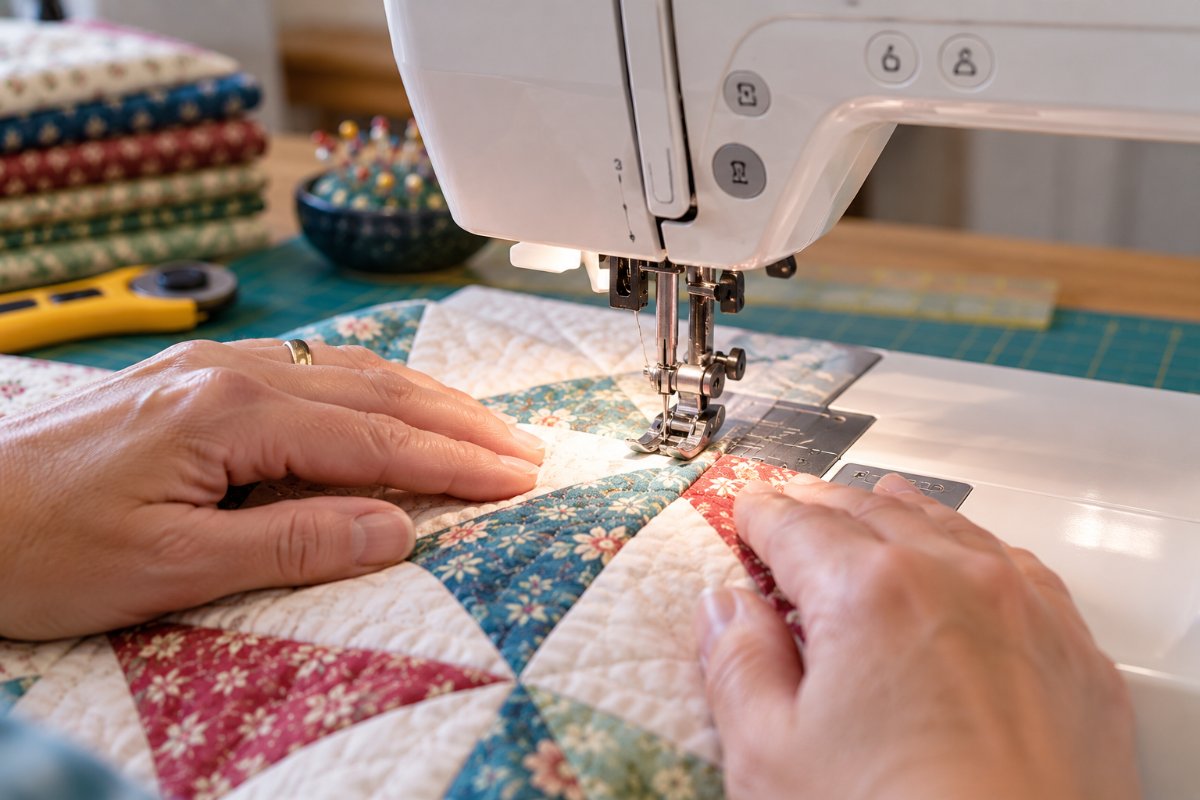
Strip away the marketing and three things change your day-to-day quilting experience, and two common assumptions turn out to be wrong.
The first real difference is needle-up-or-down control. Piecing a quilt top means constantly pivoting at corners, and a computerized machine that stops with the needle buried in the fabric on command saves you from nudging the handwheel a hundred times over a single block. The second is a speed control slider, which caps your top stitching speed so free motion quilting doesn't turn into a runaway foot pedal the moment your foot slips. Both are genuinely useful, and neither exists on a mechanical machine.
Here's where the assumptions break down. A lot of quilters assume a bigger throat space comes bundled with going computerized, since manufacturers do tend to put their roomiest harps on higher-tier digital machines. But throat space is its own spec, not a side effect of the machine being computerized, and you can find a mechanical machine with generous throat room right alongside a computerized one that's cramped. Check the actual measurement, not the machine's category.
The same goes for walking feet. Compatibility comes down to shank type, low shank, high shank, or slant shank, not whether the machine has a screen, as Diary of a Quilter's own walking foot guide lays out. A mechanical machine takes a walking foot exactly as well as a computerized one does, as long as the shank matches.
The Case for a Mechanical Machine
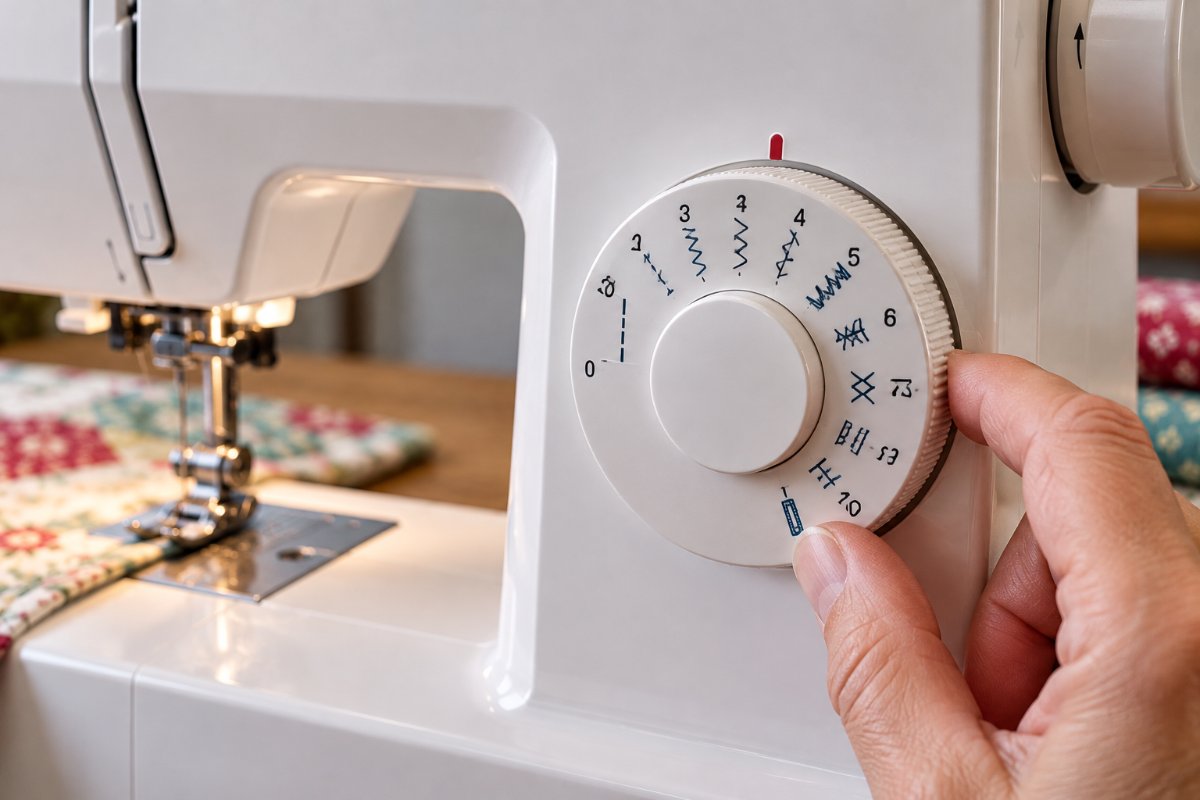
Fewer parts mean fewer things to fail, and a mechanical machine's mostly metal internals are usually simple enough that a small-town repair shop can fix a problem in a day instead of shipping the machine off for specialized service. That reliability is real, not nostalgia. Decades-old metal Singers and Kenmores still get traded and repaired because they were built to be serviced, not replaced.
Deciding between a mechanical vs. computerized sewing machine doesn't change whether you can piece a quilt top and free-motion quilt one too. A mechanical machine handles both just fine. Dropping the feed dogs and attaching a darning foot works the same regardless of what powers the stitch selector. What you give up is convenience, not capability: no needle up or down, no speed slider, and buttonholes that take four manual steps instead of one automatic one. For a quilter on a budget, or one who mostly pieces and does straight-line quilting rather than heavy free motion work, that trade is an easy one to make.
The Case for a Computerized Machine
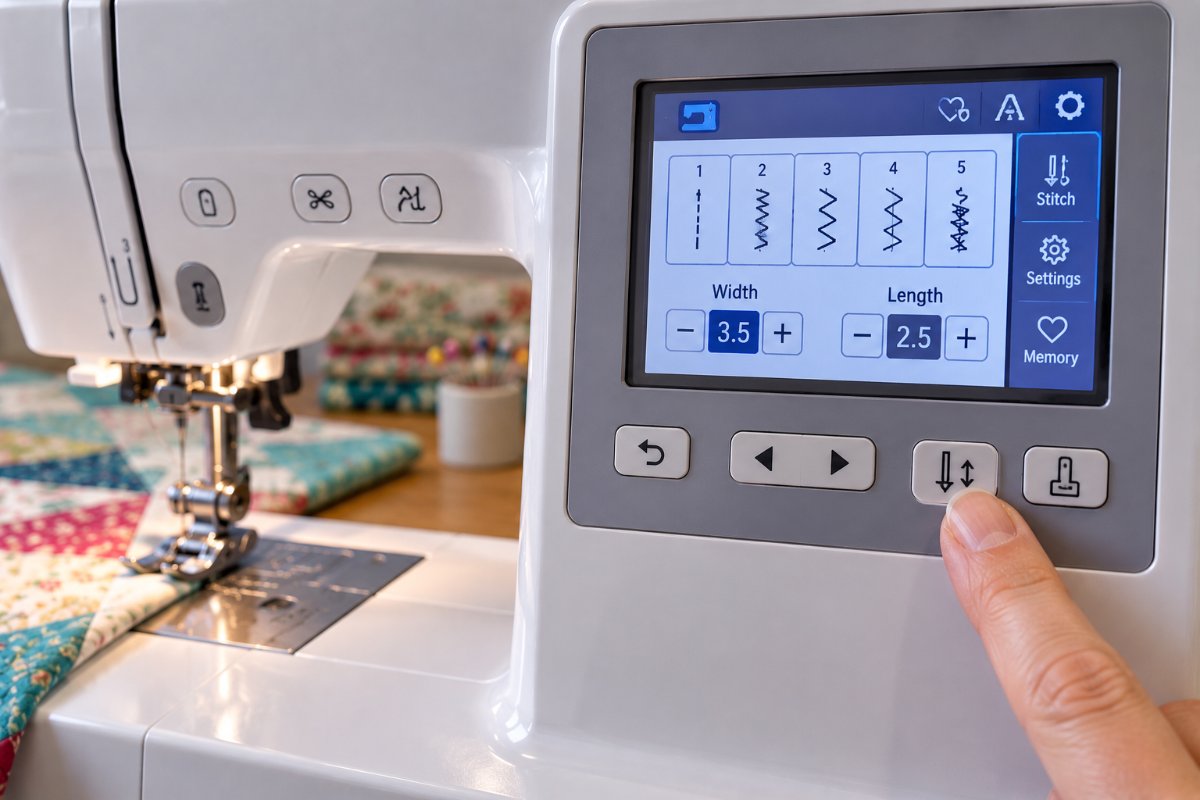
On the mechanical vs computerized sewing machine question, the needle up or down button earns its keep the first time you piece a project with dozens of pivot points, half square triangles especially. The speed control slider does the same the first time you sit down for a long free motion session, and your foot is a little less steady than usual. A memory function that saves your preferred settings means you're not re-dialing tension and stitch length every time you sit back down at the machine.
The bigger stitch library mostly doesn't matter for piecing. A straight stitch is a straight stitch, but it matters if you also like to add a decorative quilting motif or stabilize an applique edge with something other than a plain zigzag. The honest downside is that all of this runs through electronics, and electronics are the part most likely to need a specialized technician rather than a home fix. A cheap computerized machine with plastic gears is not automatically better built than a good mechanical one. It just has more features on top of whatever its actual build quality happens to be.
Mechanical vs Computerized Sewing Machine for Quilters, Side by Side
| Feature | Mechanical | Computerized |
|---|---|---|
| Typical stitch count | 10 to 30 | 60 to 200+ |
| Needle up/down button | No | Yes |
| Speed control slider | No | Usually |
| Buttonholes | Manual, multi-step | Automatic, one-step |
| Who tends to fix it | Local repair shop | Specialized technician |
| Best suited for | Budget piecing, straight line quilting | Heavy piecing, frequent free motion work |
So Which Should You Buy
If your budget is tight and you're mostly piecing tops with straight-line or stitch-in-the-ditch quilting, a solid metal-bodied mechanical machine will do the job, and it will probably outlast a bargain-bin computerized one. If you're piecing large projects with a lot of pivot points, or you free motion quilt regularly enough that a runaway foot pedal is a real annoyance, the needle up or down button and the speed slider on a computerized machine will save you real time on every single project, and that's worth paying for.
Weighing a mechanical vs computerized sewing machine purchase shouldn't come down to which one feels more modern sitting on the shelf. Buy it because you'll use the specific features it adds. If you're leaning that direction and shopping by throat space and budget, our guide to the best large throat quilting machine is the natural next stop.
For real examples of each type, our Janome HD3000 review covers a mechanical machine, and our Singer Quantum Stylist 9960 review covers a computerized one.
Frequently Asked Questions
Can I quilt on a mechanical sewing machine?
Yes. Piecing and free motion quilting both work on a mechanical machine the same way they do on a computerized one, you drop the feed dogs and attach a darning or free motion foot either way. What you lose is convenience, like needle up or down control and a speed slider, not the ability to quilt.
Does a computerized sewing machine work better for free motion quilting?
The speed control slider on most computerized machines does make free motion quilting steadier, since it caps your top speed so a slip of the foot doesn't send stitches flying. It's a real convenience, but it's not required. With practice, plenty of quilters free-motion quilt confidently on a mechanical machine.
Do I need a computerized machine to use a walking foot?
No. Walking foot compatibility depends on your machine's shank type, low shank, high shank, or slant shank, not on whether it's mechanical or computerized. A mechanical machine with the right shank takes a walking foot exactly the same way a computerized one does.
Which lasts longer, mechanical or computerized?
Build quality matters more than category. A well-made mechanical machine with metal gears can run for decades, and a well-made computerized machine from a reputable brand can also last for years of regular use. A cheap computerized machine with plastic internals is the one likely to fail first, not because it's computerized, but because it's cheaply built.
Bottom Line
Mechanical and computerized machines both quilt just fine. If you're still stuck on the mechanical vs computerized sewing machine decision, it comes down to two features, needle up or down control and a speed slider, and whether your projects need them often enough to justify the extra cost and the extra thing that can eventually break. Skip the marketing about which one sounds more advanced, check the shank type before you buy a walking foot, and measure the throat space yourself instead of assuming it comes with the category.
1 thought on “Mechanical vs Computerized Sewing Machine: Which Is Better for Quilting?”